Protein Intake for Men & Women: How Much Do You Really Need?
Protein Intake for Men & Women
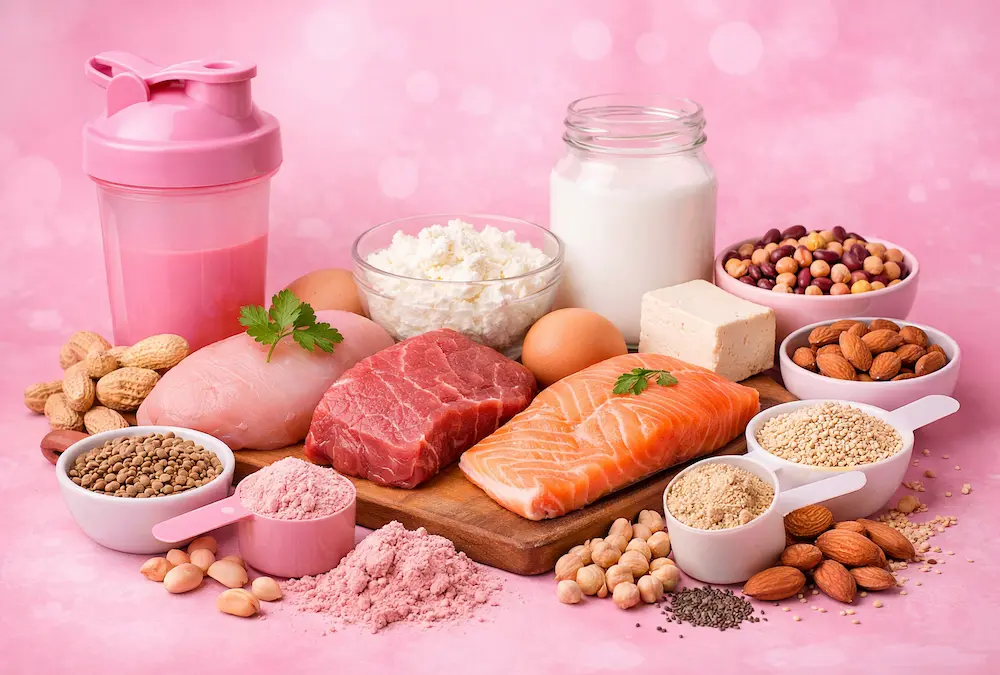
Protein is one of the most important nutrients your body needs every day. It helps build muscles, repair tissues, support hormones, and keep you feeling full and strong.
But how much protein do men and women really need? The answer is not the same for everyone. Age, body weight, activity level, and health goals all matter.
In this guide, we explain protein intake in simple language. No confusing science. No extreme diets. Just practical advice you can actually use.
What Is Protein and Why Is It Important?
Understanding Protein in Simple Terms
Protein is made of small building blocks called amino acids. Your body uses these blocks to create muscles, skin, hair, enzymes, and even parts of your immune system.
Unlike carbs and fats, your body does not store protein. That means you need to eat protein regularly to stay healthy.
What Happens If You Don’t Eat Enough Protein?
Low protein intake can slowly affect your body. You may not notice it immediately, but problems build over time.
- Muscle weakness and fatigue
- Slow recovery after illness or workouts
- Hair thinning and brittle nails
- Weaker immunity
Recommended Protein Intake for Men
Daily Protein Needs for Men
On average, adult men need more protein than women. This is mainly because men usually have more muscle mass.
A healthy adult man needs around 0.8–1 gram of protein per kilogram of body weight.
Example: A man weighing 70 kg needs about 56–70 grams of protein per day.
Protein Needs for Active Men
If you exercise regularly, your protein needs increase. Strength training and physical work cause muscle breakdown, which protein helps repair.
- Light activity: 1.0 g per kg
- Regular workouts: 1.2–1.6 g per kg
- Heavy training: up to 2.0 g per kg
Recommended Protein Intake for Women
Daily Protein Needs for Women
Women need slightly less protein than men, but it is just as important for their health.
Most adult women need about 0.75–1 gram of protein per kilogram of body weight.
Example: A woman weighing 60 kg needs about 45–60 grams of protein daily.
Protein Needs During Pregnancy and Aging
During pregnancy and breastfeeding, protein needs increase to support the baby’s growth.
Older women also need more protein to prevent muscle loss and maintain bone strength.
How to Calculate Your Personal Protein Requirement
Step-by-Step Method
- Know your body weight in kilograms
- Choose your activity level
- Multiply weight by recommended protein range
This simple calculation gives you a clear daily target. No complicated formulas required.
Best Protein Sources for Daily Diet
Animal-Based Protein Sources
- Eggs
- Milk and curd
- Fish
- Chicken
- Lean meat
Plant-Based Protein Sources
- Lentils and dal
- Chickpeas and beans
- Soybeans and tofu
- Nuts and seeds
- Whole grains
Combining different plant proteins helps improve amino acid balance.
Key Benefits
Supports Muscle and Strength
Protein helps maintain muscle mass in both men and women. This is especially important as you age.
Improves Weight Management
Protein keeps you full for longer. This can reduce overeating and support healthy weight control.
Boosts Immunity and Recovery
Adequate protein supports faster healing and stronger immunity. Your body recovers better from stress and illness.
Common Protein Myths
“More Protein Is Always Better”
Too much protein can strain kidneys over time, especially if you already have health conditions. Balance is key.
“Protein Is Only for Bodybuilders”
Protein is essential for everyone, not just athletes or gym-goers.
FAQ: Protein Intake for Men & Women
Can I meet my protein needs without supplements?
Yes. Most people can meet protein needs through regular food. Supplements are optional, not mandatory.
Is protein safe for people with kidney problems?
People with kidney disease should consult a doctor before increasing protein intake.
How should protein be spread throughout the day?
It is better to spread protein across meals rather than eating it all at once.
Conclusion
Protein intake for men and women depends on body weight, lifestyle, and health goals. There is no one-size-fits-all number.
Focus on balanced meals, quality protein sources, and consistent daily intake. Small changes can bring big health benefits.
If you want to understand how nutrition connects with mental wellbeing, Read more about mental health and overall wellbeing .