Walking vs Running: Which Is Better for Health and Weight Loss?
Walking vs Running
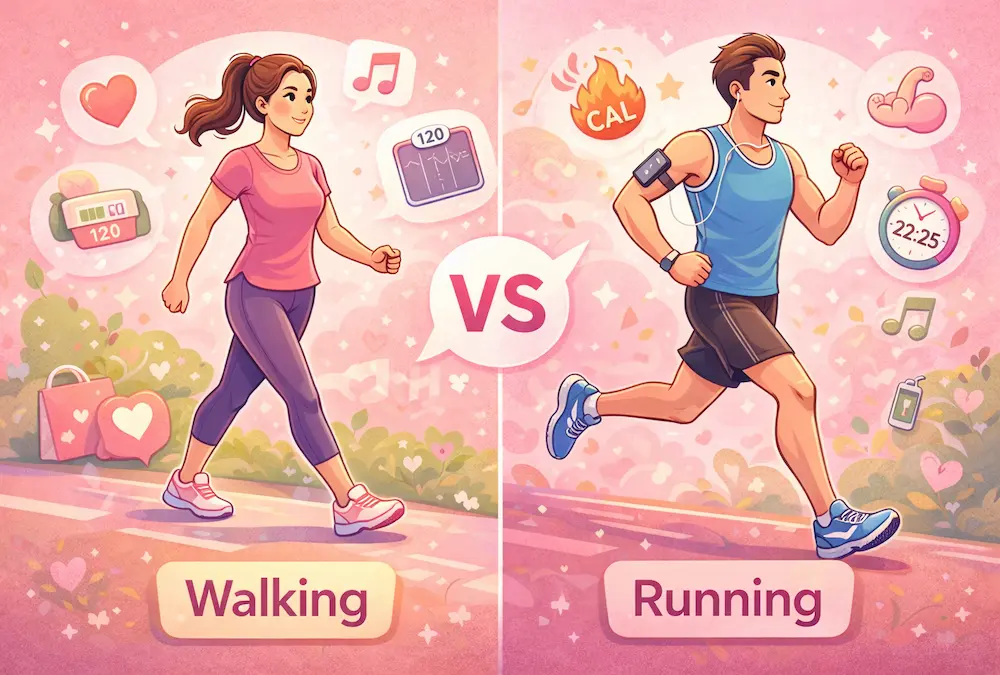
Walking and running are two of the most popular forms of exercise. They are simple, free, and require no special equipment.
Many people wonder which one is better for weight loss, heart health, and overall fitness. The truth is that both activities offer great benefits.
This guide will help you understand the differences between walking and running so you can choose the best option for your health goals.
Understanding Walking and Running
What Is Walking?
Walking is a low-impact activity where one foot stays on the ground at all times. It is gentle on the joints and suitable for all age groups.
Regular walking improves circulation, boosts mood, and helps maintain a healthy weight.
- Easy for beginners
- Low risk of injury
- Can be done anywhere
What Is Running?
Running is a high-impact activity where both feet leave the ground at certain moments. It burns more calories and improves cardiovascular fitness faster.
However, running puts more stress on joints and muscles, especially for beginners.
- Higher calorie burn
- Improves endurance
- Strengthens heart and lungs
Walking vs Running: Key Differences
Calories Burned
Running burns more calories in less time. For example, a 30-minute run can burn almost double the calories of walking.
However, longer walking sessions can match the total calorie burn.
Impact on Joints
Walking is low-impact and safer for knees, hips, and ankles. Running creates more pressure on joints and may increase injury risk.
If you have joint pain or are overweight, walking is usually the safer choice.
Fitness Level Required
Walking is ideal for beginners and older adults. Running requires more stamina and proper technique.
Many people start with walking and gradually move to running.
Health Benefits of Walking
Improves Heart Health
Brisk walking strengthens the heart and improves blood circulation. It helps lower blood pressure and cholesterol levels.
Supports Weight Loss
Walking burns calories and improves metabolism. Daily walks combined with a healthy diet can help reduce body fat.
Read more about balanced diet plans for busy people to support your fitness routine.
Reduces Stress and Improves Mood
Walking releases endorphins, which help reduce stress and anxiety. Outdoor walks also improve mental well-being.
Health Benefits of Running
Faster Fat Loss
Running increases heart rate and calorie burn quickly. It is effective for people who want faster weight loss.
Builds Stronger Muscles
Running strengthens leg muscles, core, and overall endurance. It also improves athletic performance.
Boosts Cardiovascular Fitness
Regular running improves lung capacity and heart efficiency. This reduces the risk of heart disease.
How to Choose Between Walking and Running
Choose Walking If You:
- Are a beginner
- Have joint pain
- Are overweight
- Prefer low-impact exercise
Choose Running If You:
- Want faster calorie burn
- Have good fitness levels
- Enjoy high-intensity workouts
- Have limited time
Best Option: Combine Both
A mix of walking and running gives the best results. You can start with walking and add short running intervals.
- Walk for 5 minutes
- Run for 1–2 minutes
- Repeat for 20–30 minutes
Key Benefits of Walking and Running
- Improves heart health
- Supports weight management
- Boosts mood and energy
- Strengthens muscles and bones
- Reduces risk of chronic diseases
- Improves sleep quality
Frequently Asked Questions (FAQ)
Is walking enough for weight loss?
Yes. Brisk walking for 30–60 minutes daily can help with weight loss when combined with a healthy diet.
Is running better than walking?
Running burns more calories faster, but walking is safer and easier to maintain long term.
Can I do both walking and running?
Yes. Combining both improves endurance and reduces injury risk.
Which is better for beginners?
Walking is the best starting point. You can slowly add running as your fitness improves.
Conclusion
Both walking and running are excellent for overall health. The best choice depends on your fitness level, goals, and physical condition.
If you want a safe and sustainable routine, start with walking. If you want faster results and higher intensity, running may be better.
The most important thing is consistency. Regular movement, combined with healthy eating and good lifestyle habits, will give you long-term health benefits.


