Gut Health and Digestion Explained Simply | Easy Guide
Gut Health and Digestion
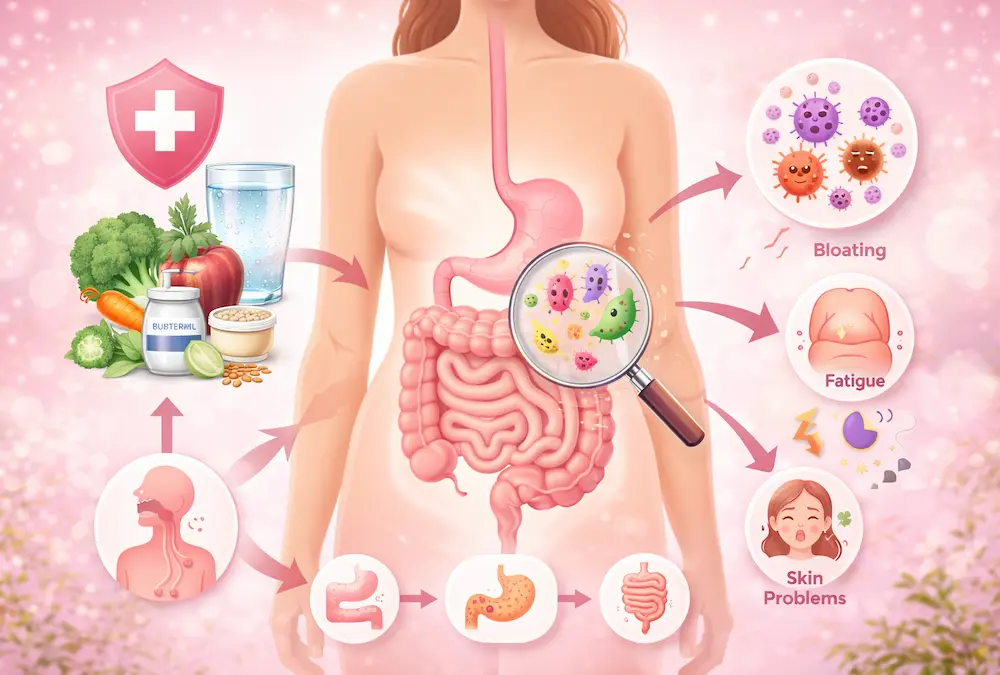
Gut health plays a major role in how we feel every day. From digestion to immunity and even mental health, a healthy gut supports the entire body.
Many people suffer from bloating, acidity, constipation, or indigestion without understanding the real cause. Most of these problems start in the gut.
This guide explains gut health and digestion in simple language, so anyone can understand and improve their digestive system naturally.
What Is Gut Health?
Understanding the Gut
The gut refers to the digestive tract, which includes the stomach, intestines, and colon. It is responsible for breaking down food and absorbing nutrients.
Inside the gut live trillions of bacteria known as gut microbiota. These bacteria help digest food and protect the body from harmful germs.
Good vs Bad Gut Bacteria
A healthy gut has a balance of good and bad bacteria. Problems start when bad bacteria become more active than good ones.
- Good bacteria improve digestion
- They strengthen immunity
- They reduce inflammation
How Digestion Works Step by Step
Step 1: Digestion Starts in the Mouth
Digestion begins when you chew food. Saliva breaks food into smaller parts, making it easier to digest.
Step 2: Food Reaches the Stomach
The stomach releases acids and enzymes that break food further. Poor eating habits can disturb this process.
Step 3: Nutrient Absorption in the Intestine
Most nutrients are absorbed in the small intestine. A healthy gut lining is essential for proper absorption.
Step 4: Waste Removal
The large intestine absorbs water and removes waste from the body. Slow digestion can cause constipation.
Common Signs of Poor Gut Health
Digestive Symptoms
- Bloating and gas
- Acidity and heartburn
- Constipation or diarrhea
Non-Digestive Symptoms
Gut problems do not always show up as stomach issues. Many symptoms appear elsewhere in the body.
- Low energy levels
- Weak immunity
- Skin problems
Foods That Improve Gut Health
Fiber-Rich Foods
Fiber feeds good gut bacteria and improves bowel movement. Include fiber daily for better digestion.
- Fruits and vegetables
- Whole grains
- Seeds and nuts
Probiotic Foods
Probiotics add good bacteria to the gut and improve digestion.
- Curd and yogurt
- Fermented foods
- Buttermilk
Hydration and Digestion
Drinking enough water helps food move smoothly through the digestive system and prevents constipation.
Lifestyle Habits for a Healthy Gut
Eat Mindfully
Eating slowly and chewing properly reduces stress on the digestive system and improves nutrient absorption.
Manage Stress
Stress directly affects gut health. Relaxation techniques help balance gut bacteria.
Physical Activity
Regular movement improves digestion and supports healthy bowel movement.
Read more about simple daily habits for better digestion .
Key Benefits of Good Gut Health
Improved Digestion
- Less bloating and gas
- Regular bowel movement
Stronger Immunity
A healthy gut strengthens the immune system and protects against infections.
Better Mental Health
Gut health is closely linked to brain health. A balanced gut improves mood and focus.
Frequently Asked Questions (FAQ)
How long does it take to improve gut health?
With proper diet and habits, gut health can improve within a few weeks.
Can stress damage gut health?
Yes, chronic stress can disturb gut bacteria and slow digestion.
Are probiotics safe for daily use?
Natural probiotic foods are generally safe for daily consumption.
Does poor digestion cause weight gain?
Yes, poor digestion can slow metabolism and lead to unhealthy weight gain.
Conclusion
Small Changes Create a Healthy Gut
Gut health and digestion are the foundation of overall well-being. Simple changes in diet, lifestyle, and stress management can greatly improve digestive health.
Focus on nourishing your gut daily, listen to your body, and choose habits that support long-term health and balance.


